Leadership When the Environment Is Uncertain
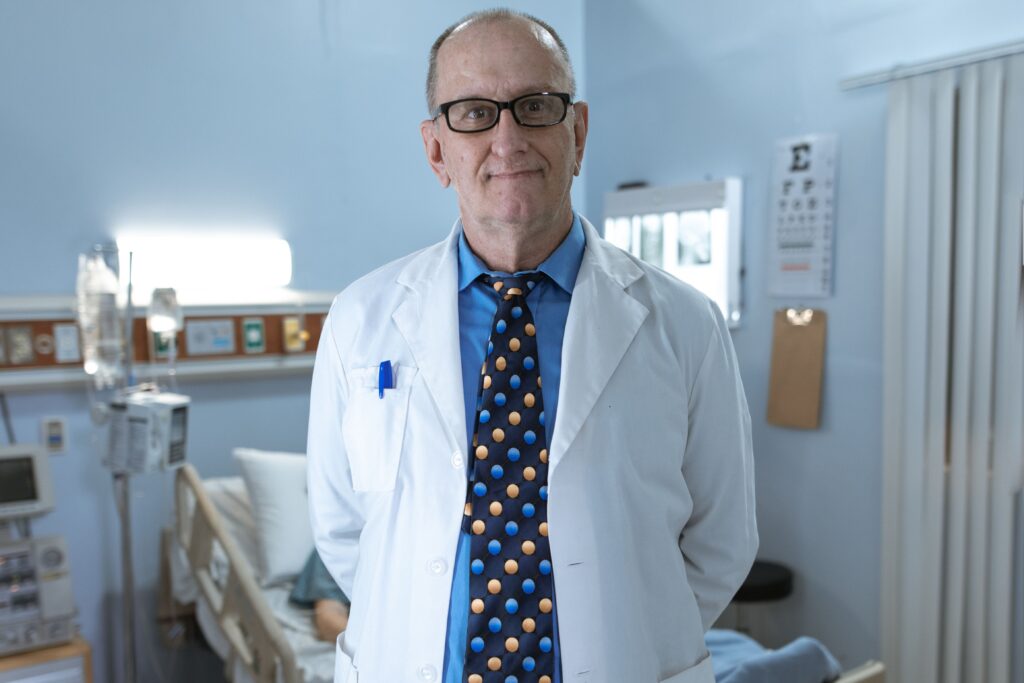
Leadership & Personal Reflections | Anders Nilsen Leadership is often discussed as though good decisions are made when the path ahead is clear. Real leadership is usually tested when it is not. The most difficult decisions are rarely made with complete information. Circumstances change. Risks appear unexpectedly. Plans become outdated. And sometimes, waiting for certainty becomes a decision in itself. The Comfort of Certainty Professionals naturally prefer certainty. We want to understand the market. We want to understand the risks. We want to know what will happen next. But international business, healthcare and consulting rarely provide perfect information. The ability to operate effectively in uncertain environments therefore requires something more than technical knowledge. It requires judgment. Experience Shapes Judgment Experience does not eliminate uncertainty. What it can do is change how we respond to it. Years of working with different people, markets and professional environments provide exposure to patterns. You learn that circumstances can change quickly. You learn that assumptions need to be questioned. And you learn that a difficult decision today can sometimes create an opportunity tomorrow. My professional journey across Singapore and Europe reinforced this perspective. Every market brought different expectations. Every assignment brought different challenges. And every difficult environment required adaptation. The Decision to Enter an Uncertain Environment Moving toward Europe around 2020 was not a decision made under normal circumstances. The world was entering a period of unprecedented uncertainty. COVID-19 was transforming healthcare systems and international business. Yet difficult environments can sometimes reveal opportunities that are invisible during easier times. The decision to continue moving forward required a willingness to accept uncertainty rather than wait for it to disappear. That lesson has remained important to me. Leadership Is Also About Responsibility Leadership is not simply about making bold decisions. It is also about understanding the consequences of those decisions. In healthcare, this responsibility becomes particularly important. Decisions can affect institutions, investments, professionals and ultimately the quality of care available to patients. That is why leadership must be connected to accountability. Confidence without verification can become recklessness. But caution without action can become stagnation. Good judgment exists somewhere between the two. Adaptability Is a Professional Skill International work teaches adaptability very quickly. Different countries have different regulations. Different organizations have different expectations. Different people communicate differently. And circumstances rarely remain static. A successful professional must therefore be willing to listen, learn and adjust. Adaptability does not mean abandoning principles. It means finding the right way to apply those principles in changing circumstances. Difficult Times Reveal Character Some of the most important professional lessons are learned when circumstances are uncomfortable. When resources are limited. When information is incomplete. When decisions are unpopular. When the outcome is uncertain. These moments reveal how a person responds to pressure. For me, resilience has never meant simply surviving difficult circumstances. It means emerging from them with greater clarity and purpose. Leading With Purpose Today, my professional philosophy is strongly connected to accountability. In healthcare procurement, that means asking questions that matter. What was ordered? What was promised? What was delivered? Does it match? Can it be verified? These questions may appear technical, but behind them is a broader leadership principle: Responsibility begins with asking the right questions. The future will always contain uncertainty. We cannot remove it. But we can decide how we respond to it. We can prepare. We can verify. We can adapt. And we can move forward with purpose. Anders Nilsen Founder & Chief Executive OfficerMedIntegrity Group Leave a Reply Comment * POST COMMENT
What COVID-19 Taught Us About Healthcare Supply Chains
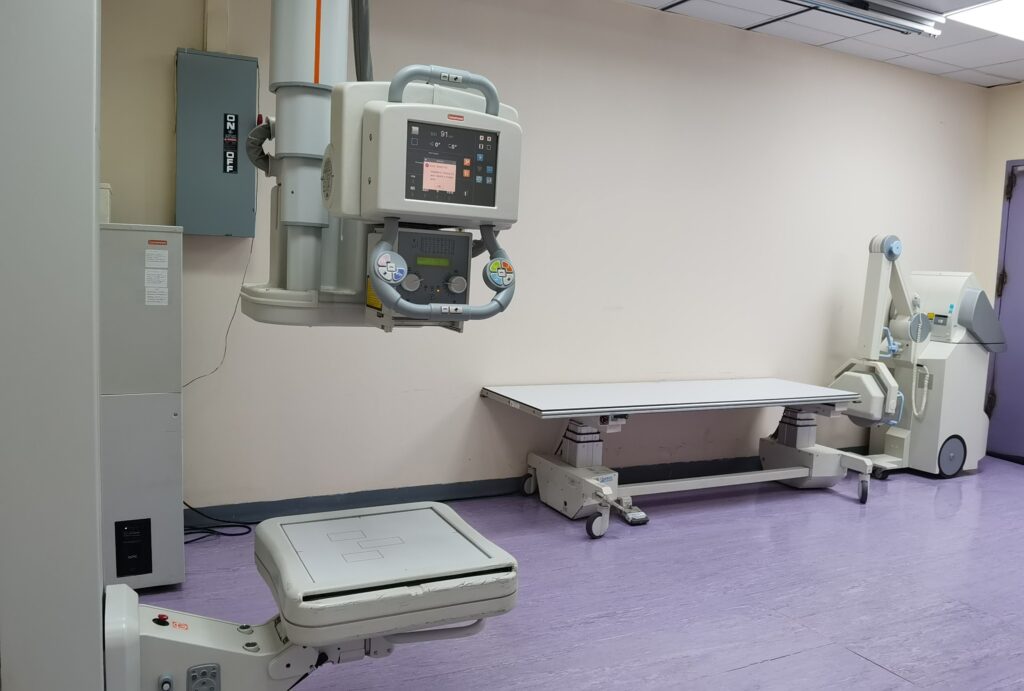
Healthcare & International Experience | Anders Nilsen Few events have exposed the strengths and weaknesses of healthcare systems as clearly as the COVID-19 pandemic. Hospitals faced extraordinary pressure. Healthcare workers worked under unprecedented conditions. Demand for critical equipment changed rapidly. And supply chains that had previously appeared dependable were suddenly placed under enormous stress. For anyone working around healthcare and medical equipment, the pandemic provided lessons that will remain relevant for years. When Normal Systems Stop Being Normal Healthcare procurement is often designed around predictable processes. Orders are placed. Manufacturing takes place. Equipment is transported. Products arrive. Institutions inspect and accept them. COVID-19 challenged almost every assumption behind this sequence. Demand changed rapidly. Transportation became more complicated. Suppliers faced shortages. Countries competed for critical resources. And healthcare institutions were forced to make decisions under conditions of extreme uncertainty. The Importance of Reliable Information One of the most important lessons from a crisis is the value of accurate information. Healthcare institutions need to know: What is available? When can it be delivered? Does it meet the required specifications? Is the supplier able to fulfil the agreement? Is the documentation complete? Can the equipment be relied upon? During a crisis, the consequences of incomplete or inaccurate information become even more significant. Italy and a Different Professional Experience My own European journey brought me into Italy during an extraordinarily difficult period. Italy was one of the countries most closely associated with the early impact of the pandemic in Europe. Healthcare systems were under tremendous pressure. For many professionals, the uncertainty created understandable reasons for caution. I chose to work in that environment. The experience reinforced something I had already learned throughout my career: Difficult environments often reveal the importance of doing the fundamentals correctly. Reliable equipment. Reliable suppliers. Reliable information. Reliable documentation. Reliable relationships. These are not luxuries during a crisis. They are necessities. International Relationships Matter The European healthcare environment is not one single market. Italy, Switzerland, Belgium, Austria and Luxembourg each have their own systems, expectations, cultures and procurement environments. Working across different countries requires adaptability. It also requires the ability to understand that a successful approach in one environment may need to be adjusted in another. The pandemic made this reality even more visible. International relationships became increasingly important because healthcare challenges rarely remain confined to one country. Building Resilience Before the Next Crisis One of the greatest lessons from COVID-19 is that resilience should not be built only after a crisis begins. Healthcare institutions need strong procurement processes before they need them urgently. They need reliable suppliers before shortages occur. They need accurate documentation before questions arise. And they need verification processes before equipment reaches the point of acceptance. Preparedness is ultimately about reducing uncertainty. The Lesson That Remains The pandemic changed healthcare in many ways. It also reinforced a principle that has been central to my professional career: Reliability matters most when circumstances become difficult. When systems are under pressure, there is less room for assumptions. There is greater need for verification. Greater need for accountability. And greater need for professionals who are willing to examine what is actually happening rather than simply relying on what should happen. COVID-19 was a global crisis. But it also provided a powerful reminder: Healthcare systems are only as strong as the information, equipment, people and processes they depend upon. Anders NilsenFounder & Chief Executive OfficerMedIntegrity Group
Why “Verify Before You Trust” Matters in Healthcare
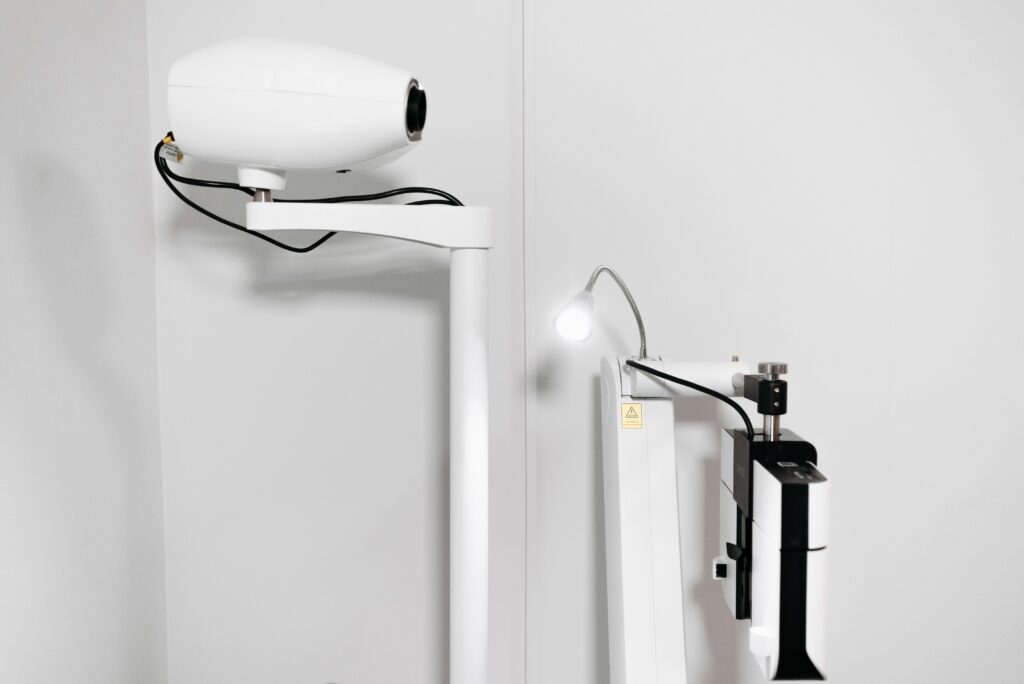
Quality & Verification | Anders Nilsen Trust is an important part of every professional relationship. Healthcare, however, requires something more. It requires verification. When millions are invested in medical equipment, healthcare institutions cannot rely solely on assumptions, promises or expectations. They need confidence that the equipment being delivered is the equipment that was ordered. This is the philosophy behind a principle that has shaped much of my professional thinking: Verify before you trust. Trust Needs Evidence A manufacturer’s reputation can be important. A supplier’s experience can be important. A strong commercial relationship can be important. But none of these things should eliminate the need for verification. Specifications still need to be checked. Documentation still needs to be reviewed. Quantities still need to be confirmed. Configurations still need to be compared. The physical equipment still needs to correspond with the agreed requirements. Verification does not mean that trust is absent. It means that trust is supported by evidence. The Importance of Independent Scrutiny Healthcare procurement can involve multiple parties, countries and systems. A purchaser may be dealing with manufacturers, distributors, logistics providers, consultants and technical teams. With so many participants involved, it becomes increasingly important to establish a clear understanding of what was requested, what was agreed and what was ultimately delivered. An independent perspective can help create that clarity. The role is not to replace the manufacturer. It is not to replace the healthcare institution’s own technical team. It is to provide another layer of professional scrutiny. Inspect The first step is inspection. What has actually arrived? Does the physical equipment correspond with the documentation? Are the quantities correct? Are the configurations consistent with the agreement? Inspection transforms an assumption into an observation. Verify The next step is verification. Specifications, contractual requirements, certificates and documentation need to be compared. The objective is to establish whether the delivered solution satisfies the requirements that were agreed upon. Document Verification becomes much more valuable when it is properly documented. A clear record can establish what was inspected, what was identified and what was ultimately accepted. Documentation creates accountability. It also provides a reference for future maintenance, audits, warranties and operational decisions. Protect The final objective is protection. Healthcare institutions are investing not simply in equipment, but in their ability to provide care. Protecting that investment means making sure the institution receives what it purchased and understands exactly what it has received. A Philosophy Built Through Experience My professional journey has taken me through different healthcare environments, markets and international working relationships. Those experiences have repeatedly demonstrated the importance of attention to detail. Small discrepancies can become significant problems when they involve complex medical equipment and large procurement contracts. That is why verification should not be considered an optional extra. It should be part of responsible procurement. Inspect. Verify. Document. Protect. Four simple words. One important principle: Quality should never be assumed. It should be verified. Anders NilsenFounder & Chief Executive OfficerMedIntegrity Group Leave a Reply Comment * POST COMMENT